Getting a radon mitigation system installed in your Michigan home takes about half a day of work from the crew, but the 24-48 hours before they arrive determines how smooth that install goes and how well the finished system performs. A little prep work at your end avoids delays, drilling surprises, and re-scheduled appointments.
- Clear a 3-foot radius around your sump pit or planned pipe route before the crew arrives in 2026.
- A radon mitigation system michigan installer needs one dedicated outdoor-rated outlet near the exhaust pipe location.
- Move stored items out of the basement or crawlspace corner where the fan and pipe will run.
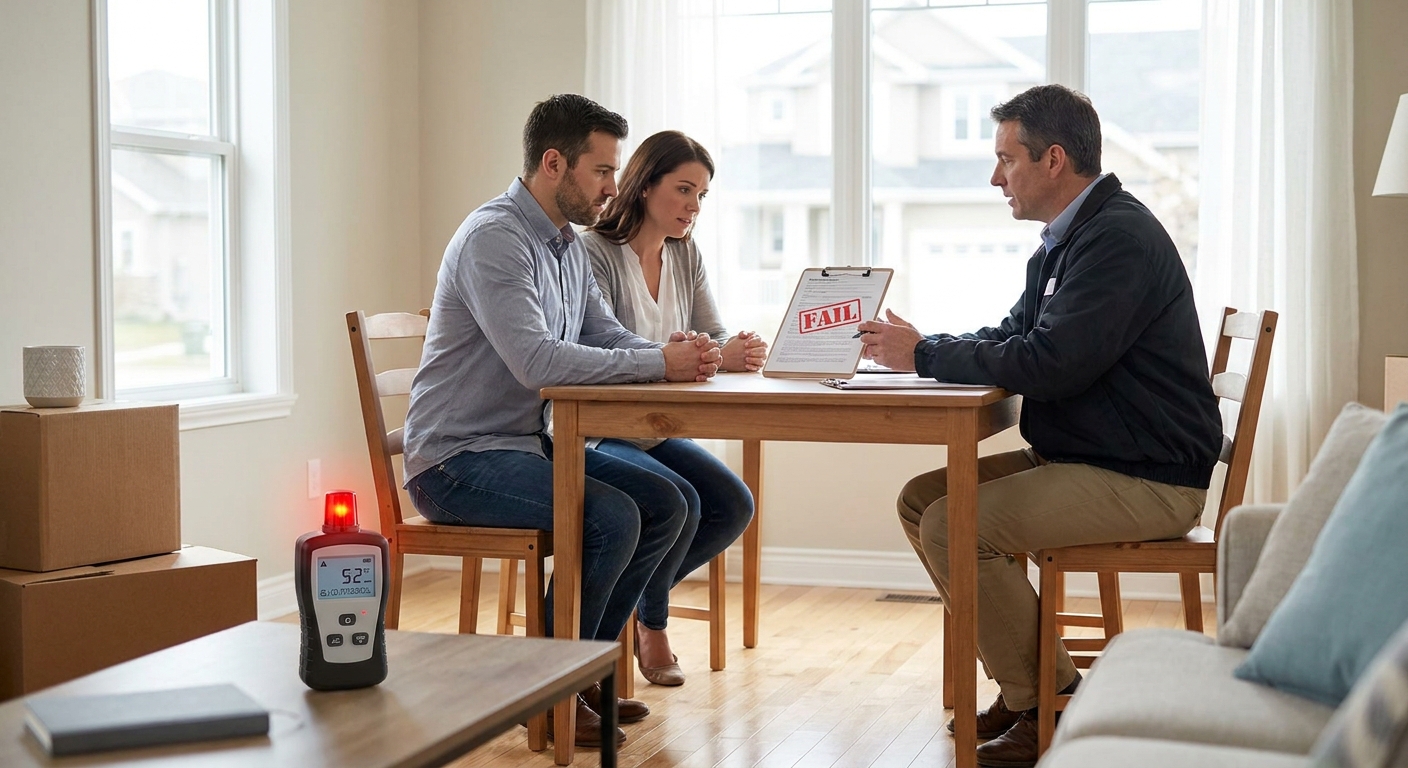
- Test results above 4 pCi/L mean mitigation is warranted, per EPA guidance still cited in 2026.
- Michigan Radon Control finishes most single-fan installs in 4-6 hours when the space is prepped ahead of time.
Why this matters
A radon mitigation system pulls soil gas from beneath your slab and vents it above the roofline before it seeps into living space. That means the crew needs clear access to your foundation, your sump pit if you have one, and a path from the basement or crawlspace up through a closet, garage wall, or exterior route to the roof.
Skip the prep and you're looking at a longer install day, a higher chance the crew has to reroute the pipe around boxes and furniture, and sometimes a callback visit. Michigan basements in particular tend to double as storage, which is the single biggest cause of install delays crews report across Metro Detroit and Lansing jobs in 2026.
What you'll need
- Clear access to the basement, crawlspace, or slab area where the fan and pipe will run
- A dedicated electrical outlet within reach of the planned fan location, ideally GFCI-protected
- Removal of stored boxes, shelving, or furniture within roughly 3 feet of the sump pit or suction point
- Your most recent radon test results, especially if a lab report showed a reading above 4 pCi/L
- A clear path from the basement to an exterior wall or the attic, if the pipe will run through a closet or garage
- Permission or a heads-up to anyone else in the household, since drilling and coring take 1-2 hours of noise
The steps
1. Confirm your test results and readings
A short-term test (2-4 days) or a long-term test (90+ days) tells the installer what they're working against. Readings above 4 pCi/L, the EPA action level still referenced by mitigation professionals in 2026, confirm a system is warranted and help size the fan correctly. Pull the paperwork before the visit so the technician isn't guessing at soil gas concentration.
Common mistake: relying on a test done during a closed-house winter reading and assuming summer levels will match. Radon fluctuates with ventilation and season, so note when the test was taken.
2. Clear the basement or crawlspace work zone
Walk your basement and crawlspace and remove anything stored within 3 feet of the sump pit, floor drain, or the corner where the pipe is likely to run. This includes shelving units, holiday bins, and anything leaning against foundation walls near likely suction points.
A cleared zone lets the crew core through the slab, seal the sump lid, and run PVC pipe without stopping to move your belongings mid-install. Expect the coring step alone to take 30-45 minutes once the area is accessible.
Common mistake: clearing the floor but leaving ceiling joists packed with stored items, which blocks the vertical pipe run through a closet or utility chase.
3. Identify and prep the electrical outlet
Radon fans draw roughly 40-90 watts and typically run on a dedicated circuit near the exhaust pipe location. Locate the closest outlet, confirm it's not shared with a sump pump or freezer on the same circuit, and let the technician know if you don't have one nearby.
If there's no outlet within reach, the crew may need to add one, which extends the job by an hour or more. Flagging this ahead of the 2026 install date lets the company schedule accordingly instead of discovering it on-site.
Common mistake: assuming any nearby outlet works when it's actually on the same breaker as the sump pump, which risks nuisance trips.
4. Choose or confirm the pipe routing path
Most systems run pipe from the sub-slab suction point up through a garage, closet, or exterior wall to terminate above the roofline. Walk the likely path with fresh eyes: are there low-hanging shelves, finished ceilings, or hung artwork in the way?
Homes with finished basements need extra planning since the pipe often has to route through framed walls or soffits. Flag any finished spaces to your installer in advance so they can plan the cleanest route rather than cutting into drywall the day of install.
Common mistake: not mentioning a finished basement ceiling until the crew arrives, forcing an on-the-spot routing change.
5. Move vehicles and clear exterior access
If the pipe terminates on an exterior wall, the crew needs a ladder set up outside near that wall, plus a clear driveway for their vehicle and equipment. Move cars, trash bins, and lawn equipment away from the planned termination point the morning of the visit.
This matters more in winter months, when snow removal around the foundation and driveway access becomes its own task before work can start.
Common mistake: leaving a car parked exactly where the exterior ladder needs to go, adding 15-20 minutes to setup.
6. Plan for noise and household disruption
Slab coring and drilling generate real noise for roughly 1-2 hours. If you work from home, have young kids napping, or keep pets that startle easily, plan the install day around that window rather than around it.
Let everyone in the house know ahead of time. A radon mitigation system michigan install is not a quiet visit, and surprised household members are the most common source of mid-install complaints installers hear.
7. Ask about fan placement and aesthetics before drilling starts
Fans typically mount in the attic, garage, or exterior wall. If you have a preference, say so before the crew starts marking the route, because repositioning after coring means extra labor and materials.
Discuss exterior fan placement relative to windows and outdoor living space too. Fans run continuously and produce a low hum; placing one near a bedroom window or patio door is avoidable with a quick conversation upfront.
Troubleshooting
- Sump pit has no lid or an ill-fitting one. Mention this before install day. A sealed, airtight sump lid is required for the system to work, and the crew can bring the right lid if they know ahead of time.
- Crawlspace has standing water or wet soil. Address moisture first. A radon system installed over saturated crawlspace soil performs worse and may need vapor barrier work done at the same time.
- No accessible attic or exterior wall for pipe termination. Some homes need a garage-mounted fan instead of an attic route. Flag unusual home layouts (additions, split levels, finished garages) when scheduling.
- Existing sump pump discharge line runs through the same area. Point this out so the crew can route around it without disturbing your pump's operation.
- Fan runs but post-install retest still shows elevated readings. This usually means a sealing gap somewhere in the slab, not a fan problem. A retest 24-48 hours after install, per standard post-mitigation testing practice, catches this before it becomes a bigger issue.
Tools and resources
- Your original radon test report (short-term or long-term)
- A tape measure to confirm outlet distance from the planned fan location
- A flashlight for checking crawlspace access points and sump pit condition
- Contact information for Michigan Radon Control if questions come up before the scheduled visit
Book your mitigation install
NRPP-certified crews serving Metro Detroit and Lansing homes in 2026.
What to do next
Once your radon mitigation system michigan install is complete, schedule a post-install retest within 30 days to confirm levels dropped below the 4 pCi/L action level. Most single-fan systems reduce indoor radon by 80-99%, according to EPA-cited mitigation performance data still referenced in 2026, but confirming your specific result matters more than relying on averages. Mark your calendar for an annual retest going forward, since radon levels shift with soil conditions, foundation settling, and seasonal ventilation changes.
FAQ
What's the best way to prepare for a radon mitigation system install in Michigan?
Clear a 3-foot radius around your sump pit or planned pipe route and confirm you have a dedicated outlet nearby. Doing this before the crew arrives cuts install time and avoids on-site surprises in 2026.
How long does a radon mitigation system installation take?
Most single-fan installs take 4-6 hours when the work area is already clear. Homes with finished basements or unusual pipe routing can take longer.
Is a radon mitigation system loud?
The fan produces a low continuous hum, noticeable mainly near its mounted location in the attic, garage, or exterior wall. Drilling and coring during install are the loudest part of the process, lasting roughly 1-2 hours.
Do I need to be home during the radon mitigation install?
Someone needs to provide access to the basement or crawlspace and the electrical panel if needed. Many Michigan homeowners schedule the visit around a workday but stay reachable by phone.
How much does a radon mitigation system cost in Michigan?
Costs vary by home size, foundation type, and pipe routing complexity, so get a specific quote based on your house. Contact a local NRPP-certified installer for an accurate number.
What radon level requires mitigation in Michigan?
The EPA action level is 4 pCi/L, still the standard benchmark cited in 2026 for recommending mitigation. Many professionals suggest considering mitigation between 2-4 pCi/L as well, especially in homes with children or long occupancy.
How soon after testing should I install a radon mitigation system?
There's no strict deadline, but higher readings warrant faster action since radon exposure is cumulative over time. Most Michigan homeowners schedule installation within a few weeks of a confirmed high test result.
Will a radon mitigation system work in a crawlspace home?
Yes, though crawlspace systems often need a sealed vapor barrier in addition to the suction pipe and fan. Standing water or wet soil in the crawlspace should be addressed before or during the install.
One last thing
The detail most homeowners miss is that a radon mitigation system needs a retest, not just an install, to confirm it worked. A fan running with a sealing gap somewhere in the slab can still leave readings above 4 pCi/L even though the system looks fully installed. Schedule that follow-up test 24-48 hours after the crew leaves and again annually going forward, since radon levels in Michigan homes shift with soil moisture and seasonal pressure changes year to year.