Selling a Michigan home in 2026 means answering a radon question on the Seller's Disclosure Statement whether you've tested or not — and how you answer it can slow down closing, spook a buyer, or protect you from a claim after the sale.
- Michigan's Seller's Disclosure Act requires sellers to state what they know about radon on the standard disclosure form before closing.
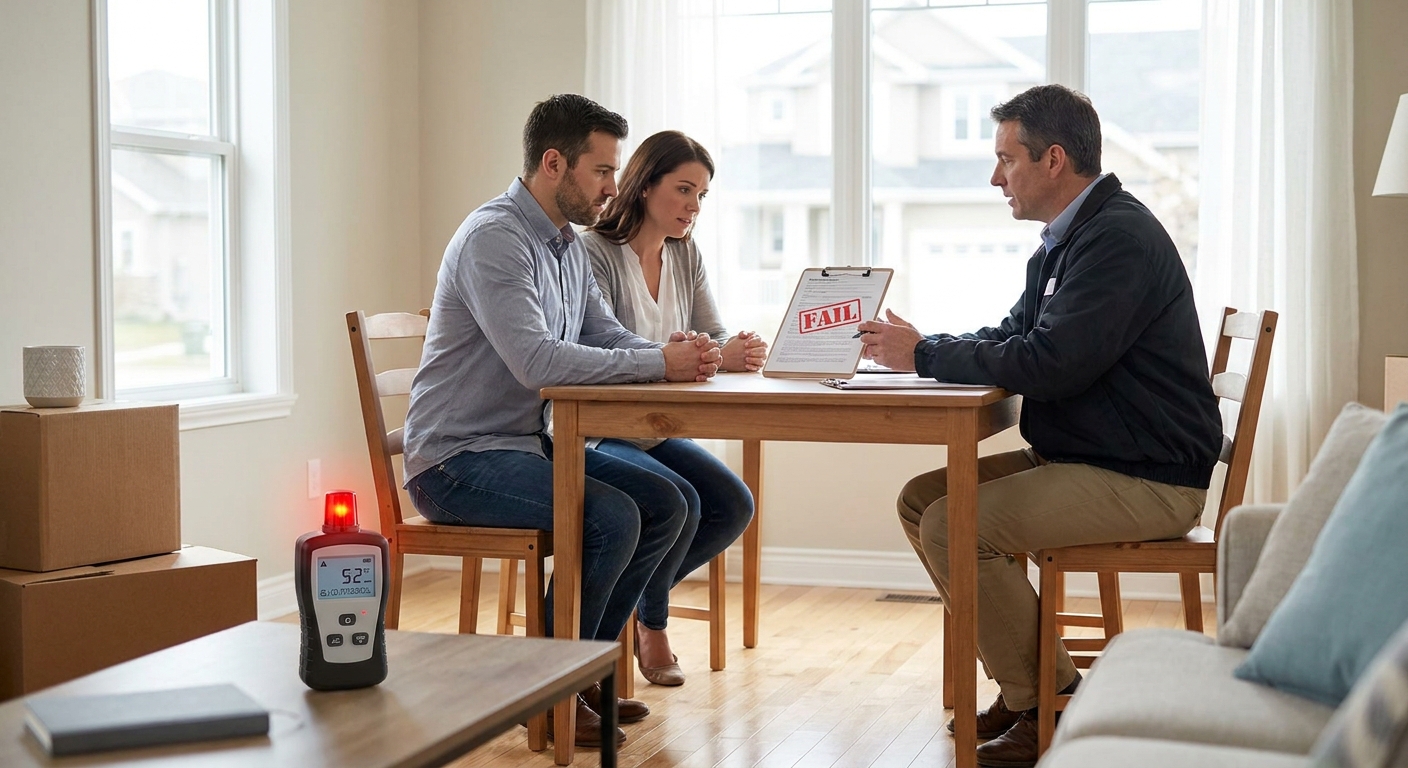
- Test before you list: an unresolved reading above the EPA action level of 4 pCi/L gives a buyer leverage during inspection.
- An NRPP-certified mitigation install typically brings a high reading down in a few days, which is faster than most buyers expect.
- Checking 'Unknown' without ever testing is legal but weak — it invites a buyer to test on their own timeline, not yours.
- Documentation, not memory, protects you if a buyer raises radon after closing in 2026 or later.
Why this matters
Radon is Michigan's most common indoor air hazard nobody talks about at showings. The state sits on glacial soils and karst limestone that push radon gas up through foundation cracks, sump pits, and slab joints, and a meaningful share of Michigan homes test above the EPA's 4 pCi/L action level.
On the Seller's Disclosure Statement, radon shows up as a specific line item. You check Yes, No, or Unknown, and if you've tested, you're expected to disclose what the results showed. Buyers and their agents read that line closely in 2026 more than they did five years ago, because radon has become a standard inspection contingency in Metro Detroit and Lansing-area contracts.
Getting this wrong doesn't just cost you a sale. If a buyer tests after closing and finds elevated levels you knew about and didn't disclose, you're exposed to a claim. Getting it right — test, disclose accurately, mitigate if needed — closes the deal faster and removes radon as a negotiating chip.
What you'll need
- A short-term radon test (48 to 96 hours) or continuous monitor placed in the lowest livable level
- Your county's copy of the Michigan Seller's Disclosure Statement
- Contact with an NRPP-certified radon professional if levels come back at or above 4 pCi/L — radon testing guidance for Michigan real estate agents covers what your agent should already know about this step
- 3 to 10 business days of lead time before your target listing date, since mitigation installs typically run one day but scheduling and retesting add time
- A folder — physical or digital — to hold test results, mitigation invoices, and system maintenance records
The steps
1. Test the home before you list, not after an offer
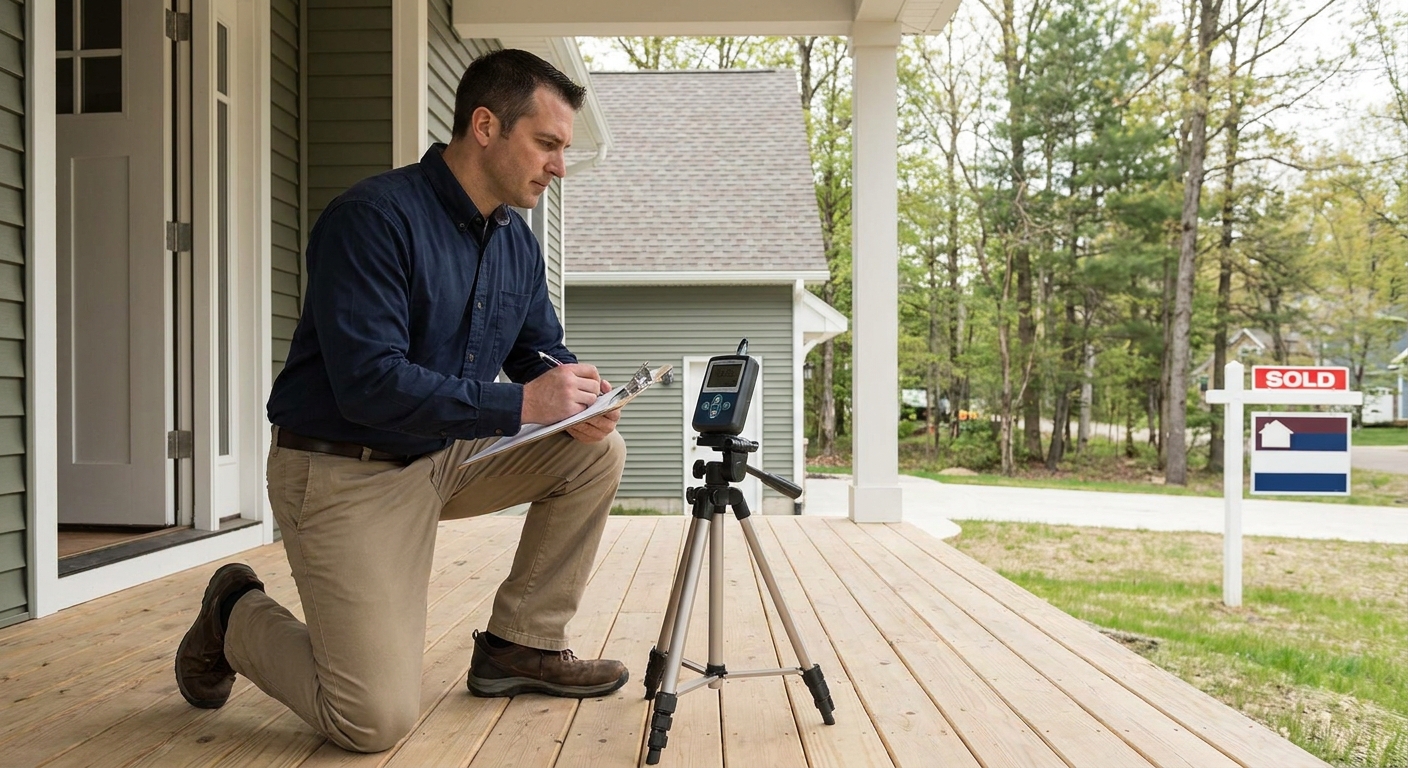
Testing early gives you control over the timeline instead of reacting to a buyer's inspector on their schedule. A short-term test run over 48 to 96 hours in the lowest livable area gives you a reliable baseline reading. Waiting until you're under contract means any mitigation work happens under deadline pressure, often with the buyer negotiating price in the meantime.
Common mistake: testing with windows and doors open, or running the test during a week of unusual weather. Radon readings swing with barometric pressure and ventilation, so closed-house conditions during the test window matter.
2. Read the radon section of the disclosure form line by line
Michigan's Seller's Disclosure Statement asks a direct question about radon gas and expects a direct answer. If you've never tested, "Unknown" is accurate and legal. If you have a result in hand, disclosing the number is the safer move even when it's low, because it shows good faith and heads off headaches down the line if a buyer's own test disagrees.
Common mistake: checking "No" because a past test years ago came back clean. Radon levels shift with foundation settling, landscaping changes, and even seasonal soil moisture, so an old test doesn't answer the current question.
3. Decide how you'll answer, and be consistent with your agent
Your listing agent needs to know your test result before they market the home, not after a buyer's inspector flags it. Consistency between what you disclose and what your agent tells prospective buyers avoids a credibility problem mid-negotiation.
Brief your agent on the exact number, the test date, and whether mitigation has happened. That conversation takes ten minutes and prevents a much longer one later.
4. Install mitigation if your reading is 4 pCi/L or higher
A reading at or above the EPA's 4 pCi/L action level is the trigger point most Michigan real estate contracts use for a radon contingency. At this stage, an NRPP-certified contractor installs a sub-slab depressurization system — a PVC pipe and fan setup that pulls radon from beneath the foundation and vents it above the roofline before it enters living space. Radon mitigation system installation for Michigan homes walks through what the install day actually looks like.
Most installs take a single day. Buy the fix now rather than negotiate a credit later — sellers who install before listing keep pricing leverage; sellers who negotiate a radon credit after inspection usually give up more than the system costs.
Common mistake: patching a crack or sealing a sump lid and assuming that's mitigation. Sealing alone rarely drops levels below 4 pCi/L on its own — it needs to pair with active depressurization.
5. Retest after mitigation and keep the paperwork
A post-mitigation test confirms the system is working and gives you a number to put in writing. Systems typically bring readings down to 2 pCi/L or lower within 24 to 48 hours of the fan running continuously.
Keep the test report, the mitigation invoice, and any system warranty documentation together. This is the exact packet a buyer's agent will ask for during due diligence in 2026, and having it ready shortens the back-and-forth by days.
6. Attach the documentation to your listing packet
Hand your listing agent copies of the pre-mitigation test, the mitigation invoice, and the post-mitigation retest. A seller who shows up with a full radon paper trail signals a clean transaction and reduces the odds a buyer orders a redundant test out of suspicion.
Common mistake: disclosing a mitigation system verbally but not attaching proof. Buyers' agents in Michigan increasingly ask for the actual documents, not a summary.
7. Brief your agent on maintenance history, not just the install
If your system has been in place for a few years, disclose the last time the fan was checked and whether the manometer gauge has stayed in the normal range. A buyer's home inspector will look at that gauge during the walkthrough, and an unexplained reading outside the normal zone raises questions you'd rather answer in writing beforehand.
8. Keep your own copy after closing
Hold onto a duplicate of every radon document for at least a few years post-sale. If a dispute surfaces about what you knew and when, your dated test reports and mitigation invoices are your primary defense.
Troubleshooting
The buyer's inspector tests and gets a higher number than your last result. Radon readings vary with weather and season, so a second test 60 to 90 days apart can differ by 1 to 2 pCi/L naturally. If the new number crosses 4 pCi/L and yours didn't, order a professional retest before assuming either result is wrong.
You listed without testing and a buyer's offer is contingent on radon results. This is common and manageable — schedule a test immediately after accepting the offer and build a short window into the contract for mitigation if needed.
You have an old mitigation system but no maintenance records. A quick service visit to check the fan and gauge, with a written report, replaces missing history and satisfies most buyer requests.
The buyer wants a price credit instead of a mitigation install. Compare the credit amount to actual install cost before agreeing — sellers frequently give up more in a credit negotiation than the mitigation system itself would have cost.
Your agent isn't sure how to word the disclosure. Have them read the exact test number and date back to you before submitting the form — vague phrasing like "tested fine" instead of an actual pCi/L figure invites follow-up questions from the buyer's side.
Get a radon test scheduled before you list
NRPP-certified testing and mitigation across Metro Detroit and Lansing.
Tools and resources
- Short-term radon test kit or continuous monitor placed on the lowest livable level
- Copy of Michigan's Seller's Disclosure Statement from your county or your listing agent
- Best radon testing companies near you in Michigan for scheduling a certified test before you list
- How to prepare your home for a radon mitigation system if your test comes back at or above 4 pCi/L
- A dated folder — physical or cloud — for every test report, invoice, and warranty document tied to radon
What to do next
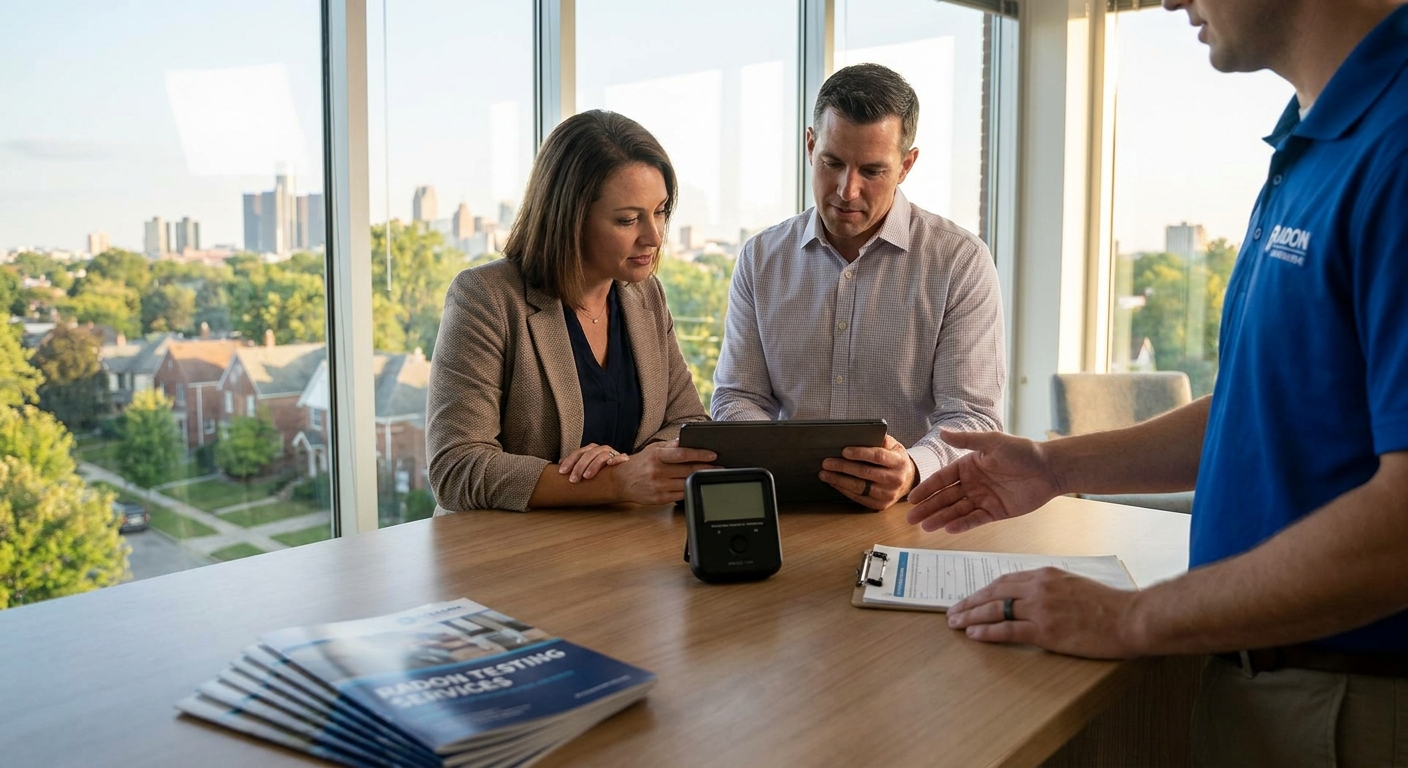
If you haven't tested yet, that's the only step that matters right now. Everything else in this guide — the disclosure wording, the mitigation timeline, the documentation — depends on having a real number in hand before a buyer's inspector gets one first. Radon testing services for Michigan homeowners covers what a standard test appointment looks like start to finish.
FAQ
Is radon disclosure legally required when selling a home in Michigan?
Yes. Michigan's Seller's Disclosure Statement includes a specific radon question, and sellers must answer it accurately based on what they know as of 2026. Checking 'Unknown' is legal if you've never tested, but disclosing a known result is required.
What radon level requires disclosure in Michigan?
Any known test result should be disclosed, but the EPA's action level of 4 pCi/L is the number buyers and their agents treat as the threshold for requesting mitigation. Levels below that are still worth disclosing if you tested.
Do I have to fix radon before selling my Michigan home?
No, Michigan law doesn't force mitigation before a sale. Most buyers with a radon contingency in their contract will request it or a price credit if your test comes back at or above 4 pCi/L.
How long does radon mitigation take before closing?
A standard sub-slab depressurization system install takes about one day. Add a few extra days for scheduling and a post-install retest, so plan for 3 to 10 business days total before your closing date.
Can a buyer back out of a sale because of radon in Michigan?
Yes, if their purchase agreement includes a radon contingency and the test comes back above the agreed threshold, typically 4 pCi/L. Sellers who mitigate before listing generally avoid this scenario.
Who pays for radon mitigation when selling a house in Michigan?
There's no state rule — it's negotiated between buyer and seller. Sellers who install mitigation proactively before listing usually keep more pricing leverage than those who negotiate a credit after inspection.
How much does it cost to test for radon before selling?
A short-term professional radon test is a small fraction of typical mitigation costs and takes 48 to 96 hours to complete. It's the cheapest way to avoid a surprise during buyer inspection.
Does an old radon mitigation system need to be disclosed too?
Yes. Disclose the install date and any maintenance history you have, since buyers' inspectors will check the system's manometer gauge during the walkthrough regardless of what's on the form.
One last thing
A lot of Michigan sellers assume radon disclosure is a formality they can gloss over with "Unknown" and move on. It works legally, but it hands the buyer's inspector the first real number in the transaction — which means they set the narrative, not you. Testing before you list costs a fraction of what a late-stage price credit does, and it turns radon from a negotiating risk into a line item you've already closed out.