Troy sits inside Oakland County, an EPA Zone 1 area, which means the predicted average indoor radon level across the county tops the 4 pCi/L action threshold before a mitigation system ever goes in. If you own a home in Troy, MI, testing isn't optional paperwork — it's the only way to know what's actually in your basement air right now, in 2026.
- Radon testing troy mi starts with a continuous monitor or a 48-hour charcoal kit — both work when placed correctly.
- Oakland County carries an EPA Zone 1 rating, so most Troy basements test above 4 pCi/L untested.
- Buy a continuous radon monitor test for accuracy and tamper-detection over a mail-order charcoal kit.
- Real estate closings need EPA-protocol placement, not a DIY kit rushed in over a weekend.
- Results above 4 pCi/L call for an NRPP-certified mitigation system, not a wait-and-see approach.
Why This Matters
Radon is a colorless, odorless gas that forms from uranium breaking down in soil and bedrock. Michigan's glacial till and fractured limestone push more of it toward the surface than in many other states, and Oakland County's soil composition is a known contributor to the elevated readings realtors and inspectors see across Troy, Rochester Hills, and Birmingham.
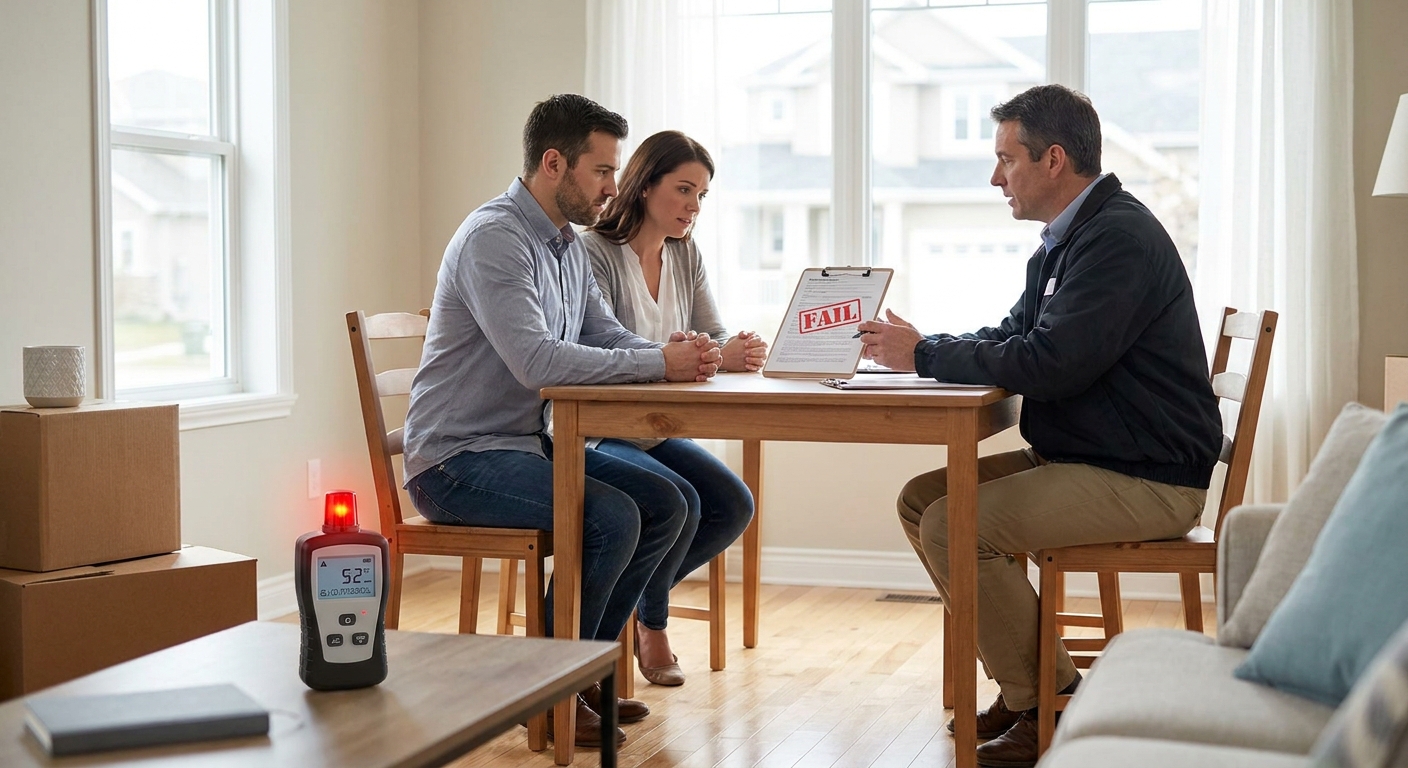
The EPA sets 4 pCi/L as the action level for mitigation. Homes tested below that mark aren't automatically safe — the agency itself says there's no risk-free level of radon exposure — but 4 pCi/L is the line where mitigation becomes a clear recommendation rather than a judgment call. A short-term test run correctly in 2026 gives you that number in 48 hours to seven days.
Who This Is For
This guide is for Troy homeowners buying or selling a house, anyone who hasn't tested in the last two years, and residents in finished basements or crawlspace homes where radon has an easier path indoors. If you're mid-transaction with a closing date on the calendar, the testing window and protocol matter as much as the result itself. Michigan Radon Control handles NRPP-certified testing and mitigation across Metro Detroit and Lansing, including Troy, for exactly this reason.
What to Look For in Radon Testing for Troy Homeowners
NRPP or NEHA Certification
Anyone placing a test device or interpreting results for a real estate transaction should carry NRPP (National Radon Proficiency Program) or NEHA certification. Uncertified placement — a kit set on a windowsill or near an HVAC vent — throws off readings enough to trigger a false pass or an unnecessary mitigation quote.
Test Duration and Placement Protocol
Short-term tests run 48 hours to 90 days and require closed-house conditions: windows shut, exterior doors used only for normal entry, no fans pulling outside air in. Placement has to be in the lowest livable level, at least 20 inches off the floor and away from drafts. Skip any of this and the number you get back isn't reliable.
Continuous Monitor vs Passive Kit
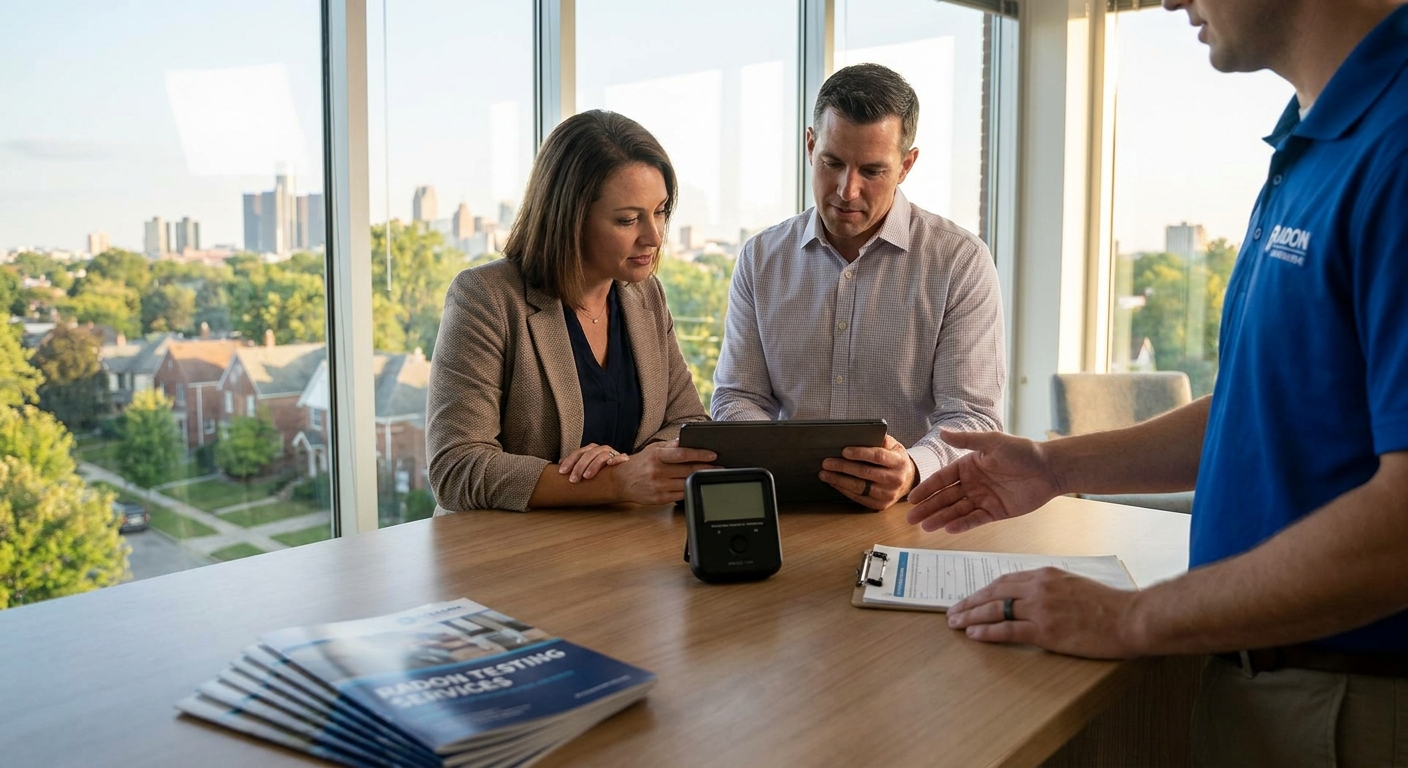
A continuous radon monitor (CRM) logs hourly readings and flags interference — a door left open, a window cracked, someone unplugging the unit. A passive charcoal kit gives you one averaged number with no way to catch tampering. For real estate deals in Troy where stakes run high, the CRM's audit trail matters.
Real Estate Transaction Timing
Michigan real estate radon tests typically need results before closing, which means the test has to start early enough to run its full duration and still leave time for lab processing or, for a CRM, time to review the data pull. A 90-day mail-order kit doesn't fit a 30-day closing window.
Retest and Mitigation Follow-Through
A single test is a snapshot. Radon levels shift with season, soil moisture, and even barometric pressure, so a result near the 4 pCi/L line in winter is worth a second look in a different season. If mitigation goes in, a post-installation retest confirms the system is pulling levels down — this step gets skipped more often than it should.
Top Picks: Radon Testing Options for Troy Homes
Continuous Radon Monitor (CRM) test — the safe pick. Logs readings hourly and flags any interference during the test period, which is exactly what a real estate transaction or a skeptical buyer wants to see. Turnaround on results typically lands within 48 to 96 hours of pickup. Verdict: Buy.
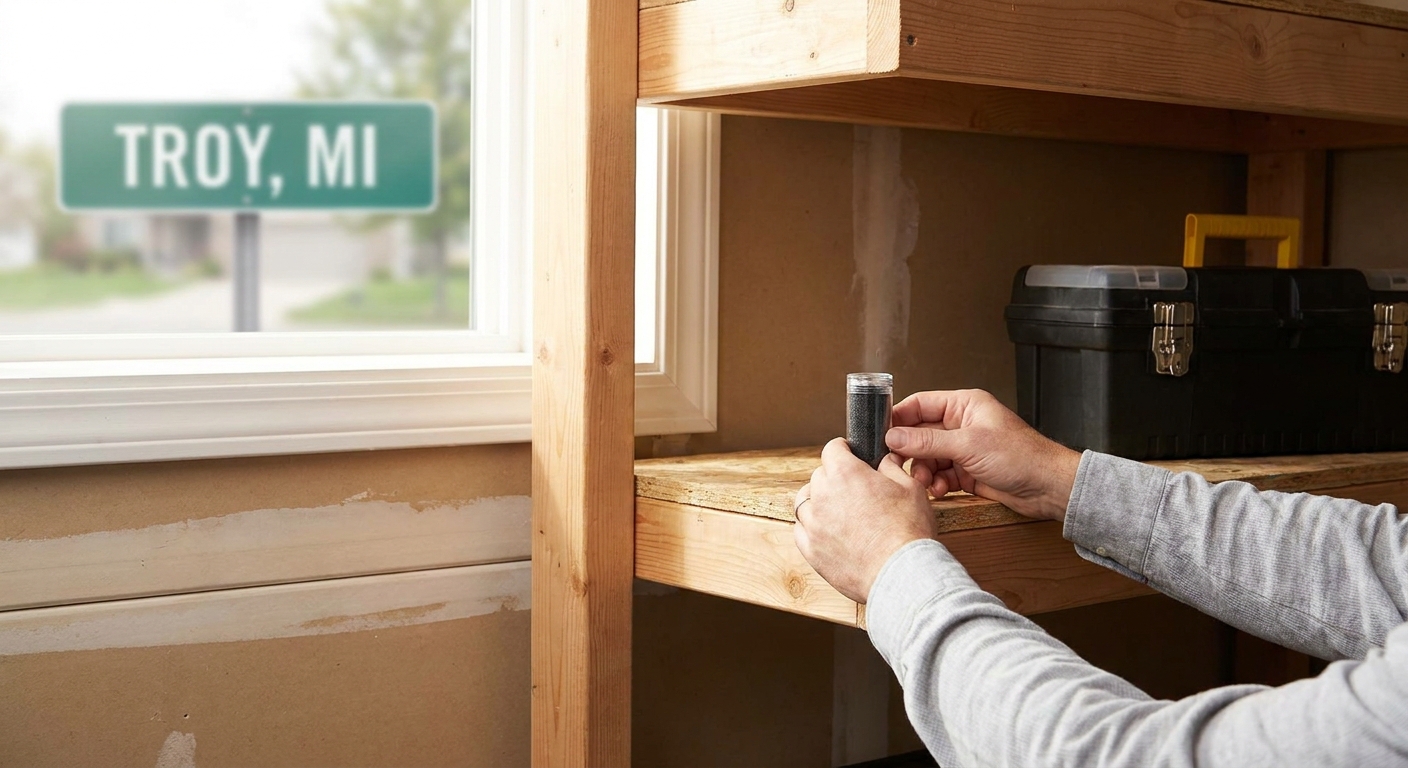
48-Hour Charcoal Canister Kit — the budget option. Works fine for a first-pass check when you're not under a closing deadline, but it needs a full 48 hours of closed-house conditions and a lab mail-in to get a result. No tamper log means a single opened window can quietly invalidate the test. Verdict: Consider.
Real Estate Transaction Test (EPA closed-house protocol) — the closing-deadline pick. Built around the specific timing and chain-of-custody real estate deals require, with placement and pickup handled by a certified tester rather than the homeowner. This is the version buyers' agents in Troy ask for by name. Verdict: Buy.
Long-Term Alpha Track Test (90+ days) — the annual checkup. Averages out seasonal swings better than any short-term test, which makes it useful for a home you already know tests near the action level and want tracked over a year. Not practical for anyone on a deadline. Verdict: Consider.
Mail-Order DIY Kit With No Professional Placement — the wildcard. Cheap and available at most hardware stores, but placement errors are common and there's no certification backing the result if a transaction later gets challenged. Verdict: Skip.
Get Your Troy Home Tested
NRPP-certified radon testing and mitigation across Metro Detroit and Lansing.
What to Avoid
- Testing during high wind or storms. Barometric pressure swings push soil gas indoors faster and can inflate short-term readings — pick a calmer 48-hour window.
- Running the furnace fan or a basement dehumidifier through the test. Both circulate air in ways that skew readings away from actual baseline levels.
- Skipping the pre-mitigation walkthrough. If a test comes back above 4 pCi/L, don't jump straight to installation without checking how your foundation type affects sub-slab suction placement. The prep guide for a radon mitigation system walks through what to clear out and check before an installer shows up.
Verdict Comparison
| Test Type | Duration | Certification Needed | Best For | Verdict |
|---|---|---|---|---|
| Continuous Monitor (CRM) | 48-96 hrs | NRPP-certified operator | Real estate, accuracy-critical checks | Buy |
| Charcoal Canister Kit | 48 hrs | Not required, recommended | First-pass homeowner check | Consider |
| EPA Real Estate Protocol Test | 48 hrs closed-house | NRPP-certified operator | Closing-deadline transactions | Buy |
| Long-Term Alpha Track | 90+ days | Not required | Annual tracking, borderline homes | Consider |
| Mail-Order DIY Kit | Varies | None | Casual curiosity only | Skip |
FAQ
What's the best radon test for a home in Troy, MI?
A continuous radon monitor placed by an NRPP-certified tester is the best option for Troy homes in 2026 because it logs hourly data and flags tampering. Charcoal kits work as a cheaper first check but carry no tamper record.
Is Troy, Michigan a high-radon area?
Yes. Troy sits in Oakland County, which the EPA classifies as Zone 1, its highest-risk category, with predicted average indoor levels above 4 pCi/L. Individual homes still vary based on foundation type and soil conditions.
How much does radon testing cost in Troy, MI?
Cost varies by test type and whether it's tied to a real estate transaction, so check current pricing directly with a certified provider. DIY charcoal kits run cheaper than a professionally placed continuous monitor test.
How long does a radon test take?
Short-term tests run 48 hours to 90 days depending on the device, with charcoal kits and continuous monitors typically completed in 48 hours under closed-house conditions. Long-term alpha track tests run 90 days or more for a seasonal average.
What radon level requires mitigation in Michigan?
The EPA action level is 4 pCi/L, and any confirmed result at or above that number is a clear signal to install a mitigation system. Some homeowners choose to mitigate in the 2 to 4 pCi/L range as well, since no level is considered fully risk-free.
Can I test for radon myself before selling my house?
You can, but real estate transactions typically require an EPA closed-house protocol test performed or verified by a certified tester rather than a self-administered kit. Buyers' agents and lenders often flag uncertified results during underwriting.
Does radon testing work in winter in Michigan?
Yes, and winter is actually a common time to test because closed-house conditions are easier to maintain with windows shut against the cold. Readings can run higher in winter due to pressure differences, so a summer retest is worth doing if a winter result sits near 4 pCi/L.
What happens after a radon test comes back high in Troy, MI?
An NRPP-certified installer designs a mitigation system, usually a sub-slab depressurization setup, matched to your foundation type. A retest after installation confirms the system pulled levels back below the 4 pCi/L action threshold.
One Last Thing
Radon levels in the same Troy house can swing between seasons enough to cross the 4 pCi/L line one time and not the next — soil moisture and heating patterns both move the number. If your last test is more than two years old, or you've never tested at all, that's reason enough to run one before winter settles in for 2026.