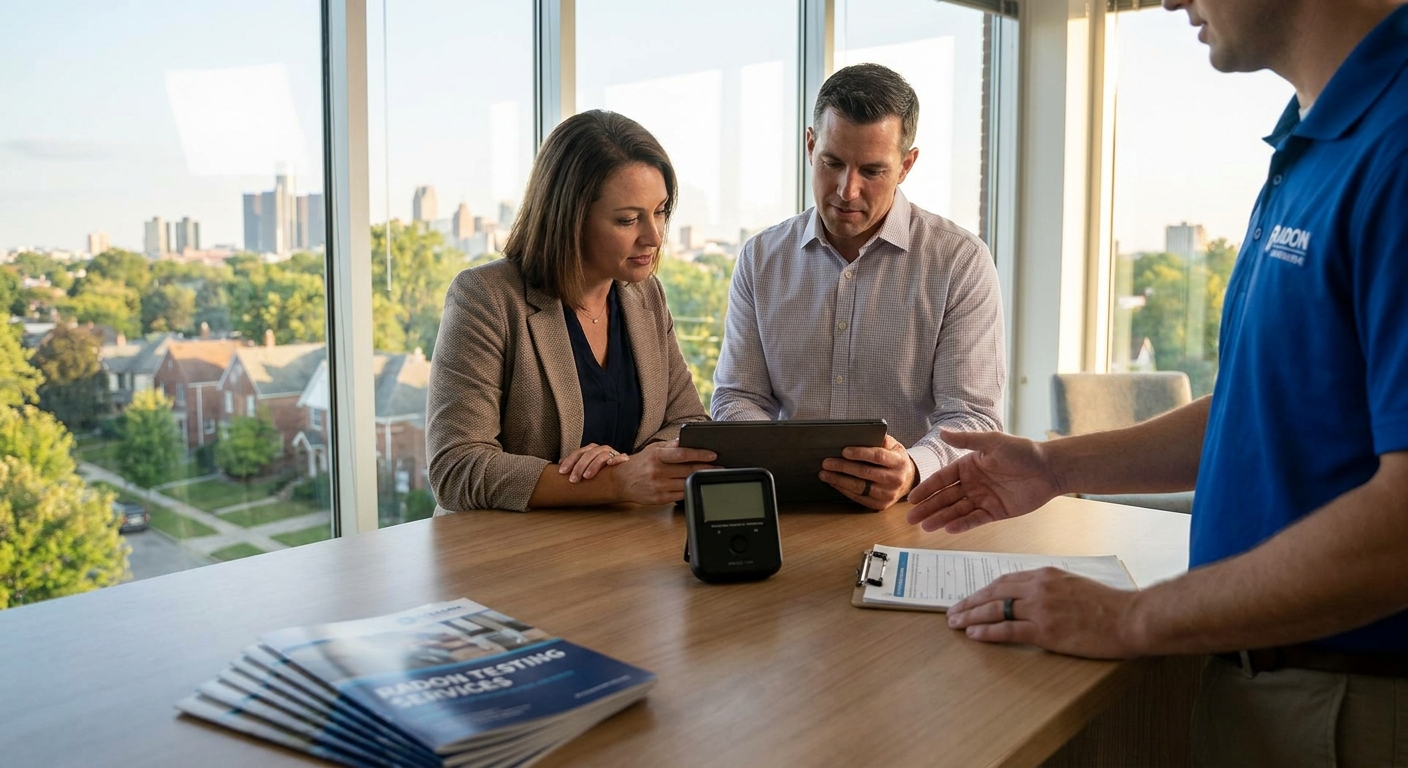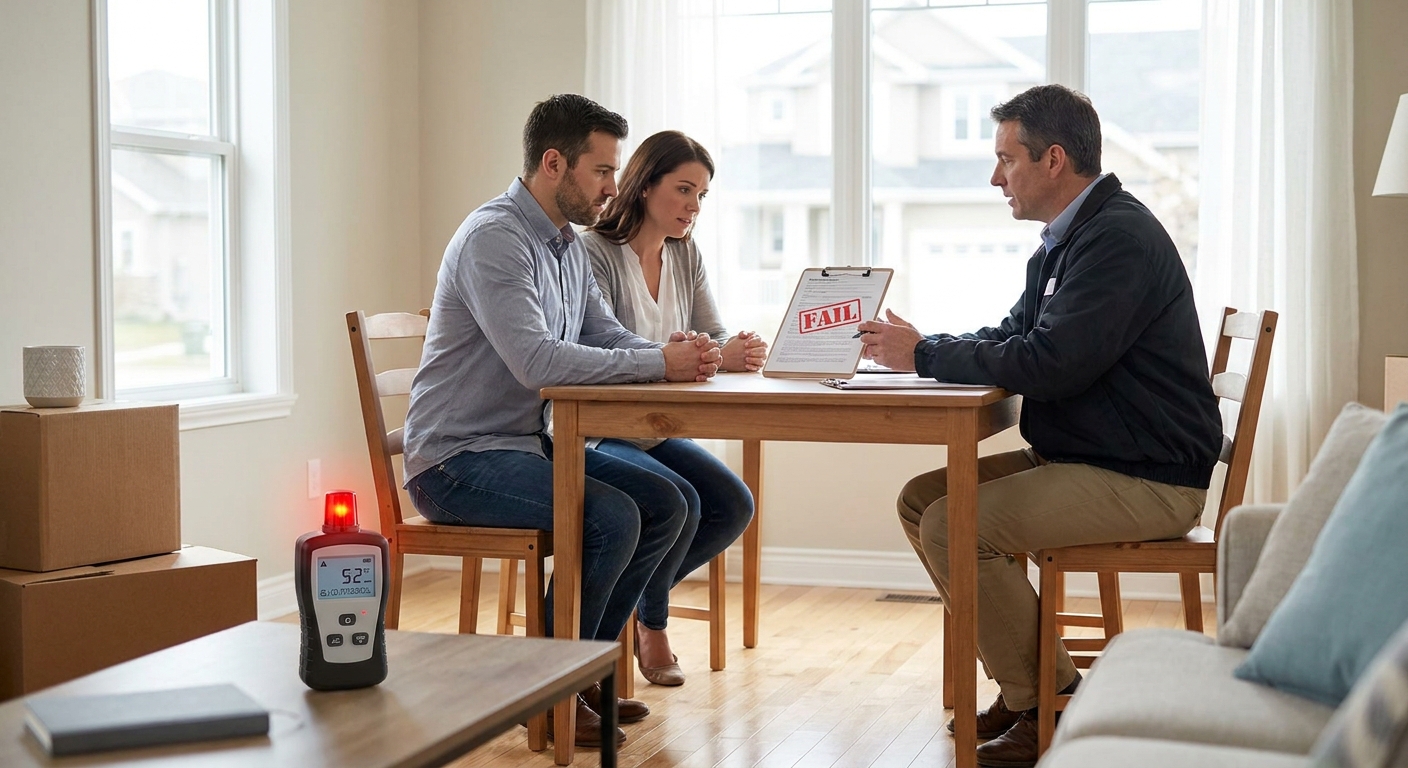
Metro Detroit homeowners searching for radon mitigation near me in 2026 are usually comparing contractors on price alone, and that's the wrong metric to start with. This guide ranks the credentials, system standards, and follow-up practices that actually separate a contractor worth hiring from one you should walk away from.
- NRPP or NRSB certification is non-negotiable for radon mitigation near me searches in Metro Detroit in 2026 — Skip anyone who can't produce a license number.
- A properly engineered sub-slab depressurization system cuts indoor radon by up to 99% — Buy contractors who explain the design before quoting a price.
- Michigan Radon Control backs installations with a 5-year system warranty and post-mitigation testing — Buy for Metro Detroit and Lansing-area homes.
- Skip any contractor who won't retest after installation to confirm levels sit below the EPA's 4.0 pCi/L action level.
Why this matters
Michigan sits on glacial till and bedrock with elevated uranium content, which is why indoor radon levels here run higher than the national average in a lot of Metro Detroit and Lansing-area homes. Radon is odorless and invisible, so the only way anyone finds out their home has a problem is through a test, and the only way to fix it is through a properly installed mitigation system.
The EPA sets 4.0 pCi/L as the action level for mitigation, but the agency has also said there's no fully "safe" level below that threshold. That's why the contractor you pick in 2026 matters as much as the decision to test in the first place: a poorly installed system can leave levels barely under the line, while a well-engineered one drops them by up to 99%.
Michigan Radon Control is an NRPP-certified provider serving Metro Detroit and Lansing-area homeowners and realtors, and the criteria below reflect what separates a contractor worth hiring from one that just shows up with a drill.
How we ranked these criteria
Radon mitigation is a licensed trade in most states, and Michigan doesn't have a state-run certification program of its own — homeowners rely on national credentialing bodies instead. The ranking below weighs certification status, system design method, warranty terms, and follow-up testing practices, because those four factors determine whether a system actually holds radon below 4.0 pCi/L for the long term, not just on install day.
Each criterion carries more weight if it affects whether the system works at all versus whether it's a nice-to-have. Certification and system design sit at the top because a contractor can fail on both and still get a permit. Warranty and maintenance sit lower because they matter after the system is already working.
The ranked list: what separates the best from the rest
1. NRPP or NRSB certification — the credential that isn't optional
This is the single filter that should eliminate half your options. The National Radon Proficiency Program (NRPP) and National Radon Safety Board (NRSB) are the two credentialing bodies that certify individual mitigators, and a certified installer has passed exams on system design, sub-slab communication testing, and EPA protocol.
Ask for the license number and confirm it's active before you sign anything. Buy from a certified contractor. Skip anyone who can't produce one on request — no exceptions in 2026.
2. Sub-slab depressurization system design — the method that actually works
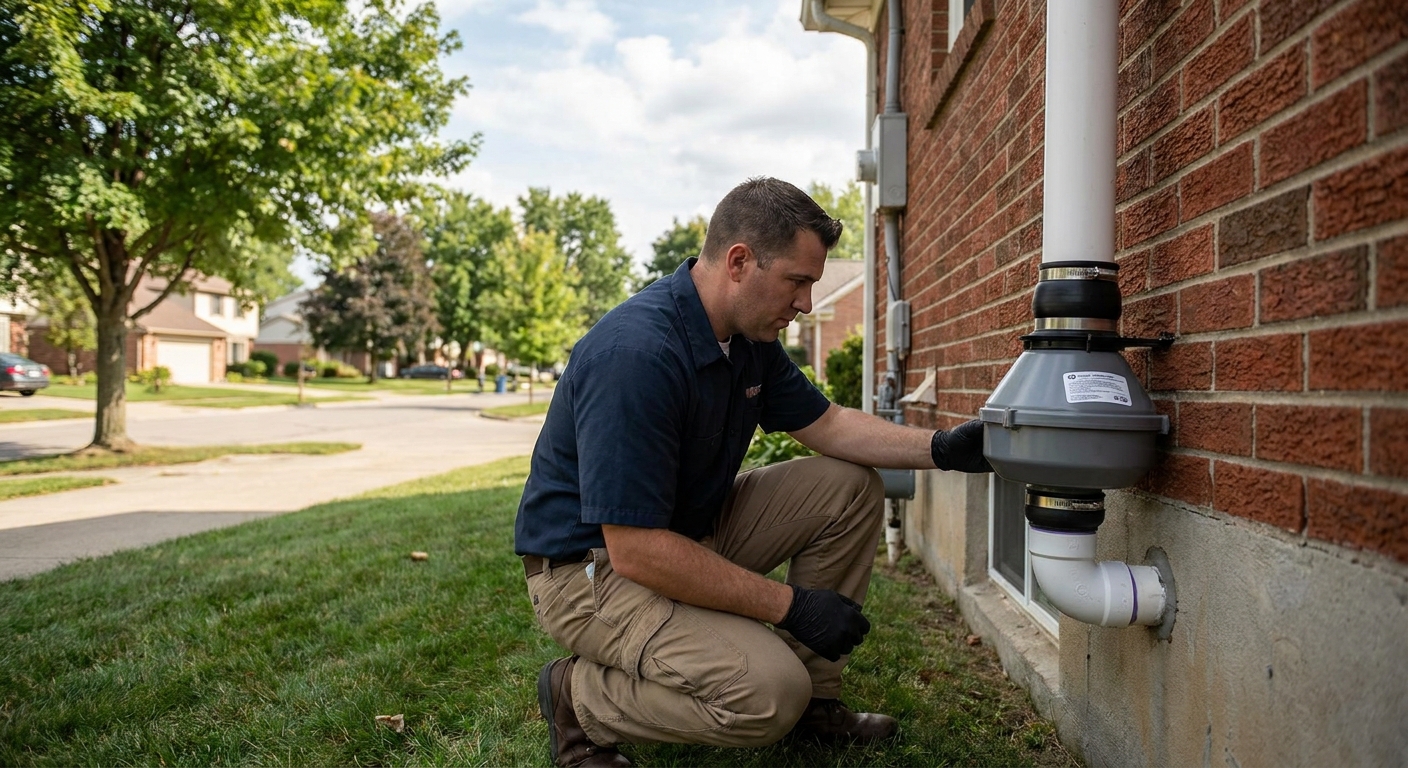
Most Michigan basements and crawlspaces respond best to active sub-slab depressurization (SSD), a system that pulls soil gas from beneath the foundation and vents it above the roofline before it ever enters living space. Done correctly, SSD systems reduce indoor radon by up to 99%.
A contractor who proposes a passive system or a simple fan-in-the-basement fix without first testing sub-slab communication is guessing. Buy contractors who explain the diagnostic step before quoting a price. Skip anyone quoting sight-unseen over the phone.
3. Warranty coverage — the paperwork that protects you after installation
A 5-year system warranty is a reasonable standard for 2026 installs, and it tells you the contractor stands behind the fan, piping, and seal work long after the crew leaves. Warranty length is also a decent proxy for how confident a contractor is in their own installation quality.
Buy contractors offering multi-year coverage in writing. Skip verbal-only guarantees or warranties under a year.
4. Local geology expertise — Michigan's glacial till problem
Metro Detroit and Lansing-area soils vary block to block because of glacial deposits, which means radon levels in one Novi home can differ significantly from the house next door. A contractor who understands regional soil variance will size the fan and pipe diameter to the home instead of installing a one-size system. The radon mitigation guide for Novi homeowners walks through how local soil conditions change a system's design.
Buy contractors who reference local geology in their proposal. Skip generic quotes that ignore it.
5. Post-mitigation testing — the step too many contractors skip
An install isn't finished until a follow-up test confirms the level sits below 4.0 pCi/L, typically measured 24 to 48 hours after the system runs. Skipping this step means you're trusting the contractor's word instead of a number.
Buy contractors who include post-test in the original quote. Skip anyone who treats it as an upsell.
6. Same-day install for time-sensitive closings
Realtors and buyers dealing with a radon contingency need speed. A standard SSD install typically takes one day for most single-family homes, and a contractor who can schedule within the closing window avoids delaying the sale.
Buy contractors with documented same-day turnaround. Skip anyone quoting a multi-week install backlog during an active closing.
7. Ongoing system maintenance and monitoring
Radon fans run continuously and eventually fail, usually signaled by a manometer reading or an audible alarm. A contractor offering system checks or maintenance plans catches fan failure before radon creeps back above 4.0 pCi/L.
Buy contractors offering a maintenance option. Hold if it's not offered but the warranty covers fan replacement.
Get your radon system evaluated
NRPP-certified testing and mitigation for Metro Detroit and Lansing-area homes.
Comparison table: criteria at a glance
| Criterion | What to require in 2026 | Verdict |
|---|---|---|
| Certification | Active NRPP or NRSB license number | Buy if verified |
| System design | Sub-slab communication test before quote | Buy |
| Warranty | 5-year written coverage | Buy |
| Local expertise | Soil-specific system sizing | Buy |
| Post-mitigation testing | Retest within 24-48 hours | Buy |
| Install timeline | Same-day availability | Buy for closings |
| Maintenance | Ongoing fan/monitor checks | Hold if warranty covers it |
Home sale radon contingencies move fast, and the Ann Arbor radon testing and mitigation page breaks down typical timelines for that market specifically.
Where to source a contractor
- Pull the NRPP or NRSB directory listing yourself instead of trusting a business card — verification takes under five minutes.
- Get the system design explained in writing before signing, not just a total price.
- Confirm the service area actually covers your suburb — Metro Detroit and Lansing-area coverage varies by contractor, and some only handle specific counties.
FAQ
What's the best way to search for radon mitigation near me in 2026?
Start by confirming NRPP or NRSB certification, then compare system design approach and warranty length. A contractor without an active license number should be removed from consideration regardless of price.
How much does radon mitigation cost in Metro Detroit?
Pricing depends on home size, foundation type, and system complexity, so get a written estimate after a diagnostic visit rather than a phone quote. Ask whether the price includes post-mitigation testing.
Is sub-slab depressurization better than a passive system?
Active sub-slab depressurization (SSD) systems reduce radon by up to 99% and are the standard recommendation for most Michigan homes. Passive systems can work in some new construction but usually need fan activation to hit the EPA's 4.0 pCi/L action level.
How long does a radon mitigation install take?
Most single-family home installs finish in one day. Same-day scheduling matters most for home sales with a radon contingency on the closing timeline.
Do I need to retest after mitigation?
Yes, post-mitigation testing 24 to 48 hours after the system runs confirms levels sit below 4.0 pCi/L. Any contractor skipping this step is leaving the result unverified.
What warranty should a radon mitigation system include?
A 5-year warranty is a reasonable standard for 2026 installs and should cover the fan, piping, and seal work. Get the warranty terms in writing before the job starts.
Does radon mitigation work in older Metro Detroit homes?
Yes, older homes with basements or crawlspaces typically respond well to sub-slab depressurization once a contractor tests soil communication first. Foundation type matters more than the home's age.
How do I know if my contractor is certified?
Ask for the NRPP or NRSB license number and confirm it's active before signing a contract. Certified mitigators have passed exams on EPA protocol and system design specific to radon work.
One last thing
Most homeowners assume radon is a basement problem, but it moves through cracks, sump pits, and even block walls above grade, which is why a system sized for "the basement" without a full sub-slab communication test often underperforms. The contractors worth hiring in 2026 test that communication before they ever quote a price, not after the fan is already installed.